


The Modernization Continuum
Navigating Growth Through Judgment, Structure, and Coherence
Growth is not a destination. It is a condition that organizations must learn to operate within. As markets evolve, technology accelerates, and expectations rise, leaders face a challenge that is less about scaling faster and more about scaling wisely.
The central challenge for modern executives is not whether to innovate, modernize, or grow. It is knowing which priority matters now, and which actions must wait.
At Scale Consulting, we think about this journey as a continuum rather than a checklist. Not as a set of isolated initiatives, but as a sequence of imperatives that help leaders determine where focus will create the greatest leverage.
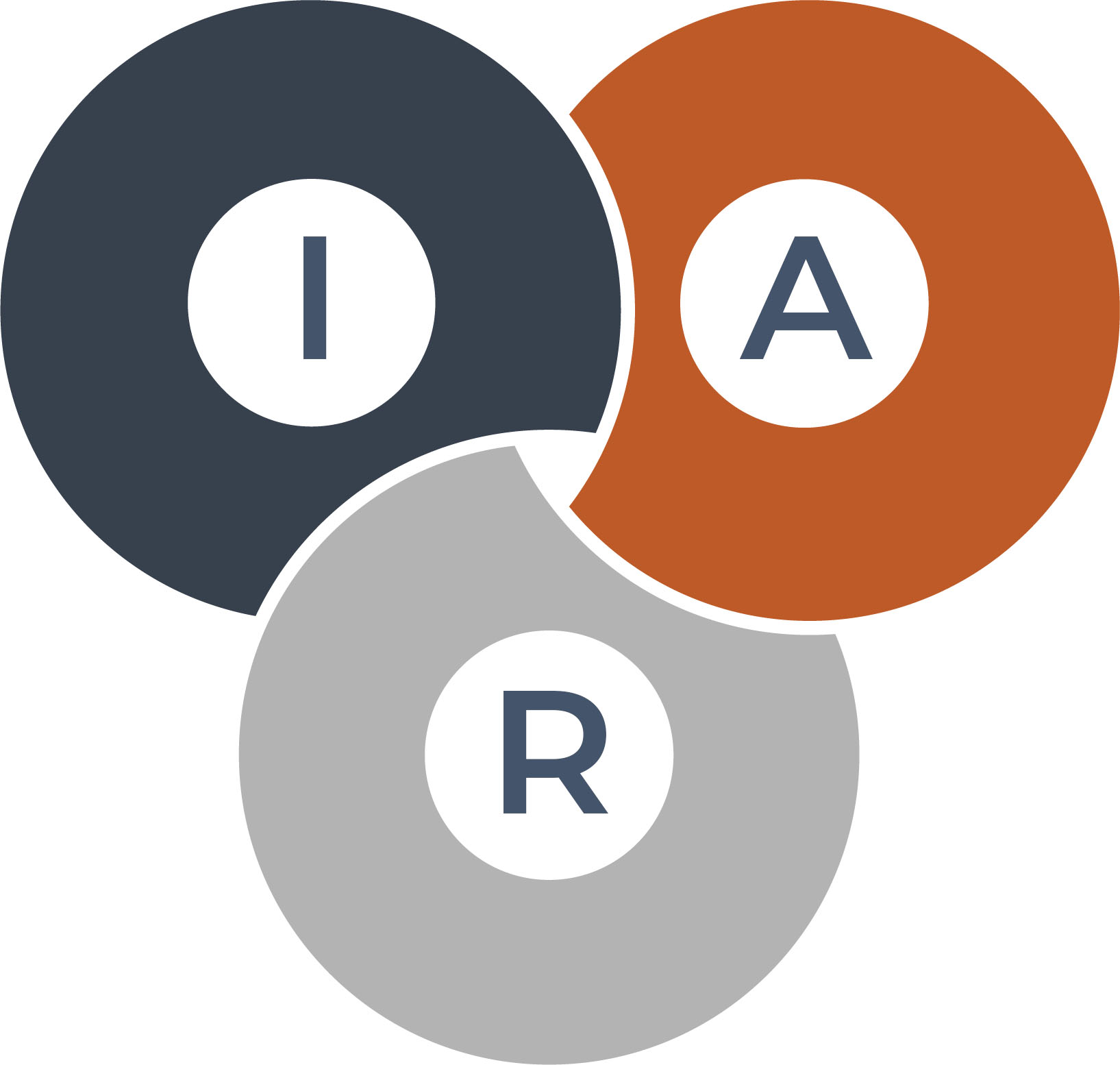
I. Innovate: Restoring Strategic Clarity
Modernization often begins with a quiet realization. The business is still operating, revenue may still be growing, but the underlying model no longer feels aligned withwhere the market is headed.
This is the moment where innovation is required, not in the sense of launching something new, but in the sense of rethinking direction. Leaders must step back from business as usual and ask harder questions about relevance, positioning, and long-term advantage.
Innovation at this stage is about restoring clarity. It is about understanding how shifts in customer behavior, technology, and competition are reshaping the landscape, and what that means for the organization’s future role within it.
Are we operating today based on yesterday's assumptions, or are we intentially designing the next version of the business?
II. Architect: Turning Intent into Structure
The most fragile point in any growth journey is the transition from intent to execution. Many organizations develop a compelling strategy, only to find that their systems, workflows, and decision structures cannot support it.
This is where growth quietly breaks down. Not because the strategy is wrong, but because the organization lacks the structural foundation to carry it forward.
To architect is to design the internal system that allows strategy to become repeatable. This includes how data flows, how decisions are made, and how work moves across theorganization. It is less about individual tools and more about how those tools function together as a system.
Rather than layering new technology on top of old constraints, architectural work focuses on removing friction. It creates the conditions where scale does not increase complexity faster than capacity.
If demand doubled tomorrow, would our systems support it, or expose our weakest points?
III. Realize: Aligning the Brand
Only once strategy is clear and systems are sound does execution truly accelerate. This is the stage where the internal reality of the organization meets the external expectations of the market.
Realization is about coherence. It is the alignment between what the organization is capable of delivering and what the market experiences at every interaction.
At this stage, marketing, demand generation, and brand expression are no longer compensating for internal gaps. They are amplifying genuine strength. The organization moves from having offerings to earning trust, from visibility to credibility.
Does our message in market reflect the true depth and innovation of theorganization we’ve built?
Growth as an Ongoing Experience
The modernization journey is not linear. Organizations may enter at different points depending on circumstance. A business may need architectural work beforeit can innovate meaningfully. Another may realize that execution challenges are actually signaling a lack of strategic clarity.
What matters is not the label of the work, but recognizing where work needs to be done. Growth accelerates when leaders apply the right discipline at theright moment.
At Scale Consulting, our role is to help leaders make those judgments. We work across strategy, structure, and market execution to ensure that effort compounds rather than collides, and that modernization becomes a source of momentum rather than friction.